
Date Change: Affinity Modular Home Factory Tour, November 7th at 11:00 AM. Click here to RSVP now.
Buying an Affinity Modular Home is an exciting path to homeownership that combines customization, efficiency, and high-quality construction. Affinity Modular is known for producing precision-built modular homes that are completed in a climate-controlled factory and then assembled on-site by authorized builders.
This guide explains the full process future homeowners can expect when purchasing an Affinity modular home, from selecting a floor plan to move-in day.
Why Choose an Affinity Modular Home?
Affinity Modular homes are built to the same state and local building codes as site-built homes, but with several advantages:
Unlike manufactured homes, Affinity modular homes are placed on permanent foundations and appreciate similarly to traditional 100% site-built homes in many markets.
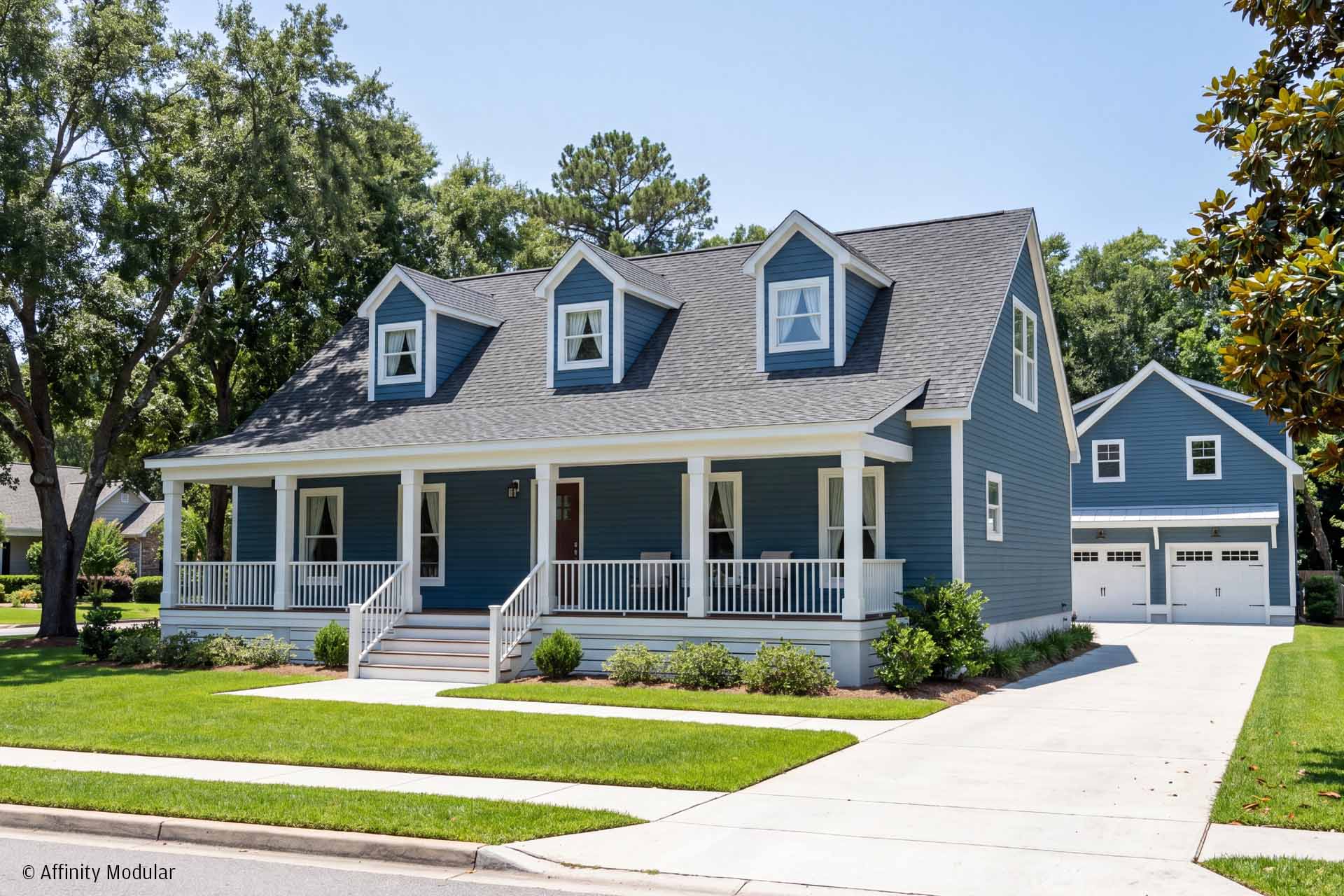
The first phase of the process is choosing a floor plan that fits your lifestyle, family needs, and budget.
Explore Available Designs
Affinity offers a variety of:
What to Consider – Size & Layout
Ask yourself:
Future Needs – Think long-term:
Budget Planning
Your final price depends on:
Customization Options
All Affinity homes allow customization, such as:
Affinity modular homes are sold and installed through an authorized licensed builder network. This builder becomes your primary project manager.
Why the Affinity Builder Matters
Your builder handles:
Review the Proposal Carefully
A complete proposal should outline:
While your home is being prepared for factory construction, your land must be ready.
Land Evaluation
Before construction begins, your builder may coordinate:
Foundation Work
Depending on your plan, the home may sit on:
The foundation must be completed precisely to factory specs so modules align correctly during installation.
Access Preparation
Because modules are delivered by truck, your site may need:

One of the biggest advantages of modular construction is factory efficiency.
How the Home Is Built
Your home is constructed indoors in sections (modules) using engineered plans.
Typical stages include:
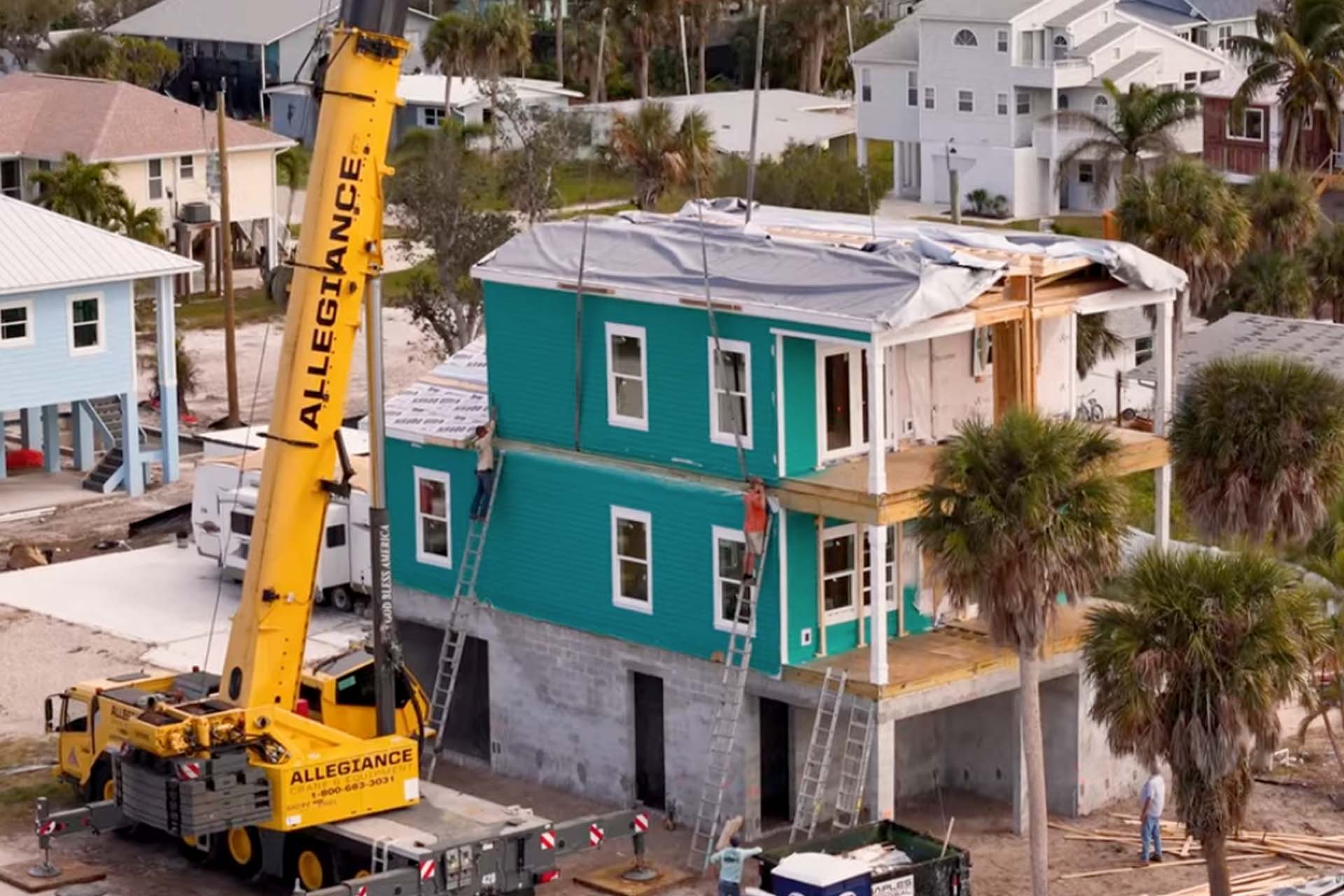
Once the modules are complete and the site is ready, delivery is scheduled.
Transport to the Site
Modules are secured to specialized carriers and transported to your property. Delivery timing often depends on:
Crane Set Day
This is one of the most exciting milestones.
A crane lifts each module from the carrier and places it onto the foundation. Skilled crews align and secure all sections together.
This process may take:
Weather Protection
Once set, crews quickly secure roofing seams and protect the home from weather exposure.
After modules are set, your builder completes all remaining work.
Typical Finish Work Includes:
Interior
Exterior
Utilities – Final connections for:
Final Inspections
Your local municipality typically performs final inspections before issuing a Certificate of Occupancy.
Walkthrough & Punch List
Before move-in, complete a walkthrough with your builder and note any final touch-ups.
Many modular homebuyers use:
Speak with lenders experienced in modular construction.
Can you Build this and How Much Will it Cost?
Affinity Modular works with local independent builders who have been approved to build our modular homes in a specific region. If you need a builder for your area, your Affinity contact person will provide a list of authorized Affinity builders. The authorized builder will work through preliminary budgets with you and discuss the process. With Affinity, you get the home you want! We don’t just build houses; we build YOUR home.
Financing
If Financing is needed, Affinity Modular customers can choose a local financing source, or the authorized builder can recommend a bank that is familiar with the Affinity home buying process.
Design Development
You can start with an Affinity by Vantem model home design. Your builder will then work with you to customize the design to fit your needs. We also have a library of Affinity homes previously built not listed on our website.
Finalizing Your Order
Once you have completed the conceptual design, the authorized builder will order the house from Affinity Modular. The builder will sign a purchase agreement with Affinity and send in a deposit for the home. Remember, Affinity Modular solely works with our authorized licensed builders. The Affinity engineering department will complete the plans necessary for the building permits while you are finalizing your color selections with your builder. Items such as countertops, kitchen and bathroom fixtures, cabinet colors, flooring and shingle colors (if included) will be selected at this time. The plan approvals (Sealed Prints) process can take from 8-12 weeks to complete, depending on the complexity of your plans and the state in which you are building.
Building Your New Home in the Factory
Once your builder has completed the building permit process, the foundation can be started, and your home is put into production. The actual build time in the factory for your home is about 4 weeks. The current status of our backlog determines when your home is scheduled for production.
The House Delivery and Set
The modules that make up your new home are carefully delivered to your site in preparation for the actual setting of the home on the foundation. Each module is lifted into place with a crane and secured to the foundation. Most sets are completed in one day, so you can expect that at the end of the day, your home is set, secured, and weather tight on the foundation.
On Site Finishes
Now that your new modular home is set, the builder
starts on the completion process. Electrical,
plumbing, and heating connections are completed.
Exterior siding gets completed along with porches, decks, patios, walkways, and garages. Some minor interior carpentry and drywall are completed prior to the installation of floor coverings. Some items purchased with your home are installed on site.
Your builder, along with sub-contractors of their
choice, includes them in the completion of the home
at this time.
The Final Step
Now that your home is complete, it is ready for a final inspection by the local Building Department. They ensure that the home is compliant with all the State and Local Building Codes and Practices. Once the inspections are complete, a Certificate of Occupancy gets issued and you can now move into your new Affinity Modular home!
Explore our home designs
Discover our exciting range of home designs that are sure to inspire! Plus, we offer the flexibility to customize our floor plans to perfectly suit your unique vision.
If you have property and financing ready, we’re here to connect you with an Affinity builder in your area. Let us assist you in making your dream a reality!