Award Winning Designs
Serving the Southeast & Coastal Markets
Built to Local & State Building Codes
A modular home is a home built in sections in a controlled factory environment, then delivered and assembled on a permanent foundation. At Affinity Modular, our homes are designed to deliver lasting quality and elevated living, with the same codes, financing, and long-term value as traditional site-built homes.
Yes. Homebuyers can either bring their own plan to their authorized Affinity builder or select from an existing Affinity floor plan. Our homes are highly customizable, and buyers can choose finishes, layouts, and exterior styles. The in-house Affinity design and engineering team works directly with your builder to bring your vision to life.
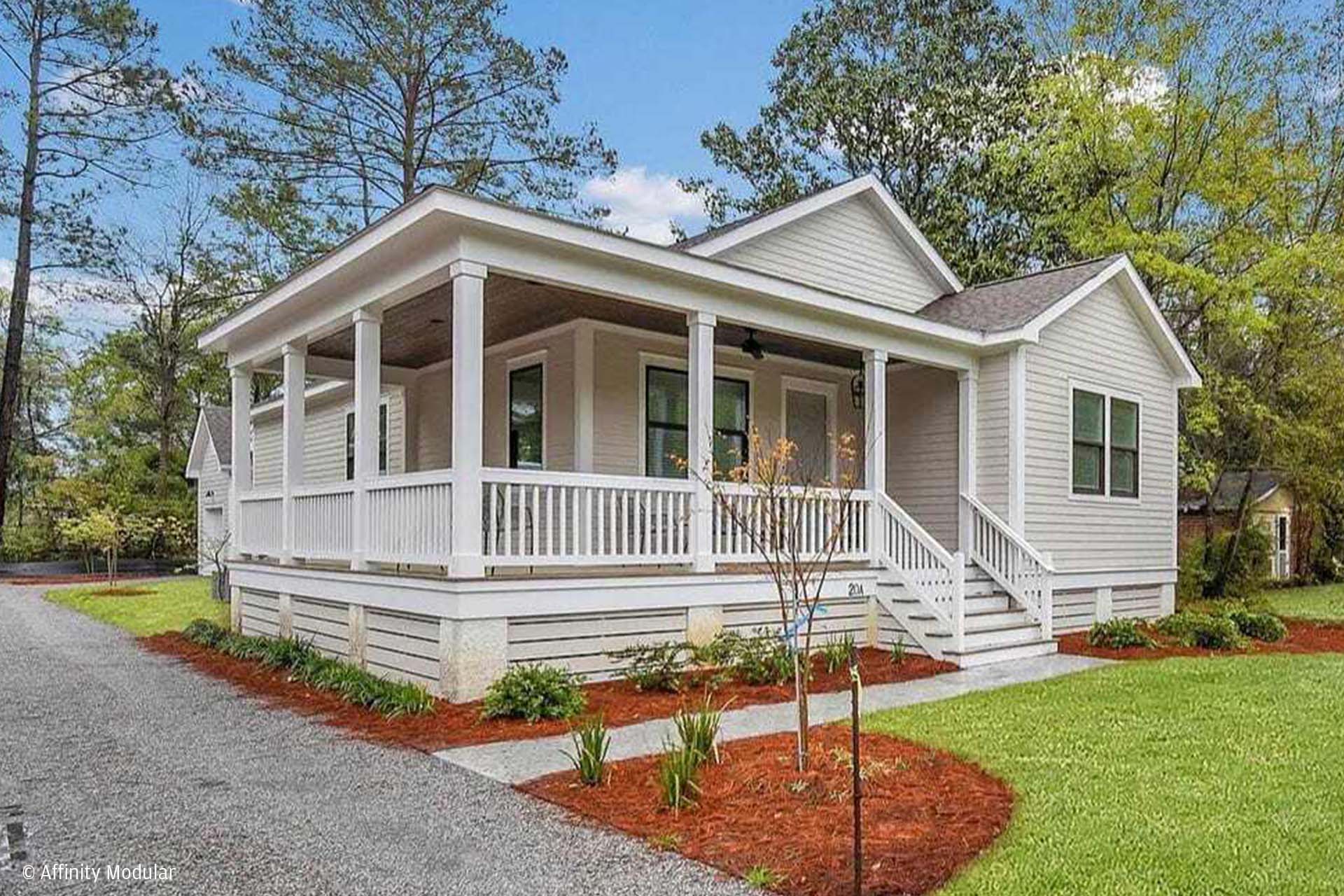
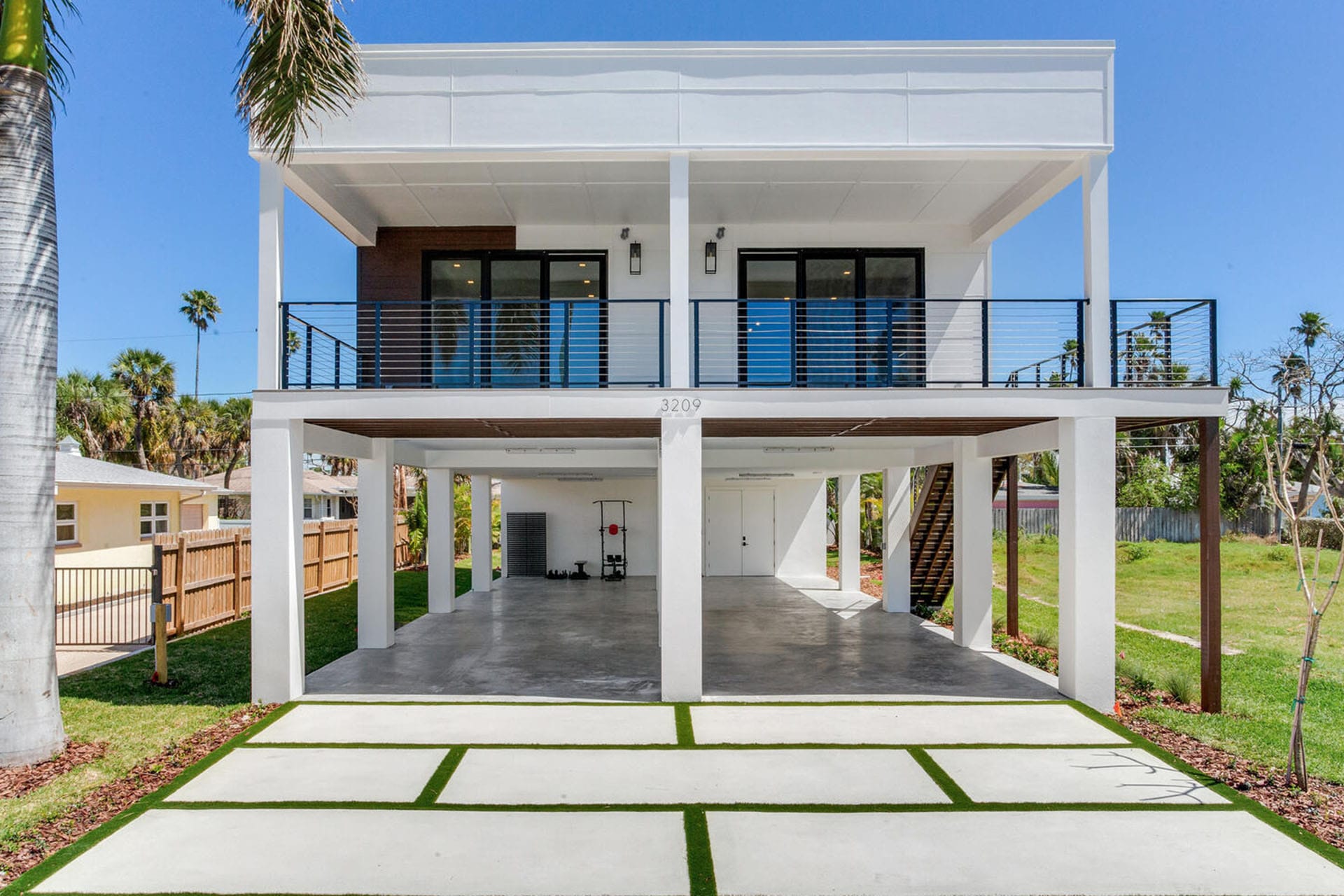
Affinity Modular homes are installed on permanent foundations designed to meet local building codes and site conditions. These may include crawlspace foundations such as piers or stem walls, basements, or elevated foundations commonly required in coastal areas.
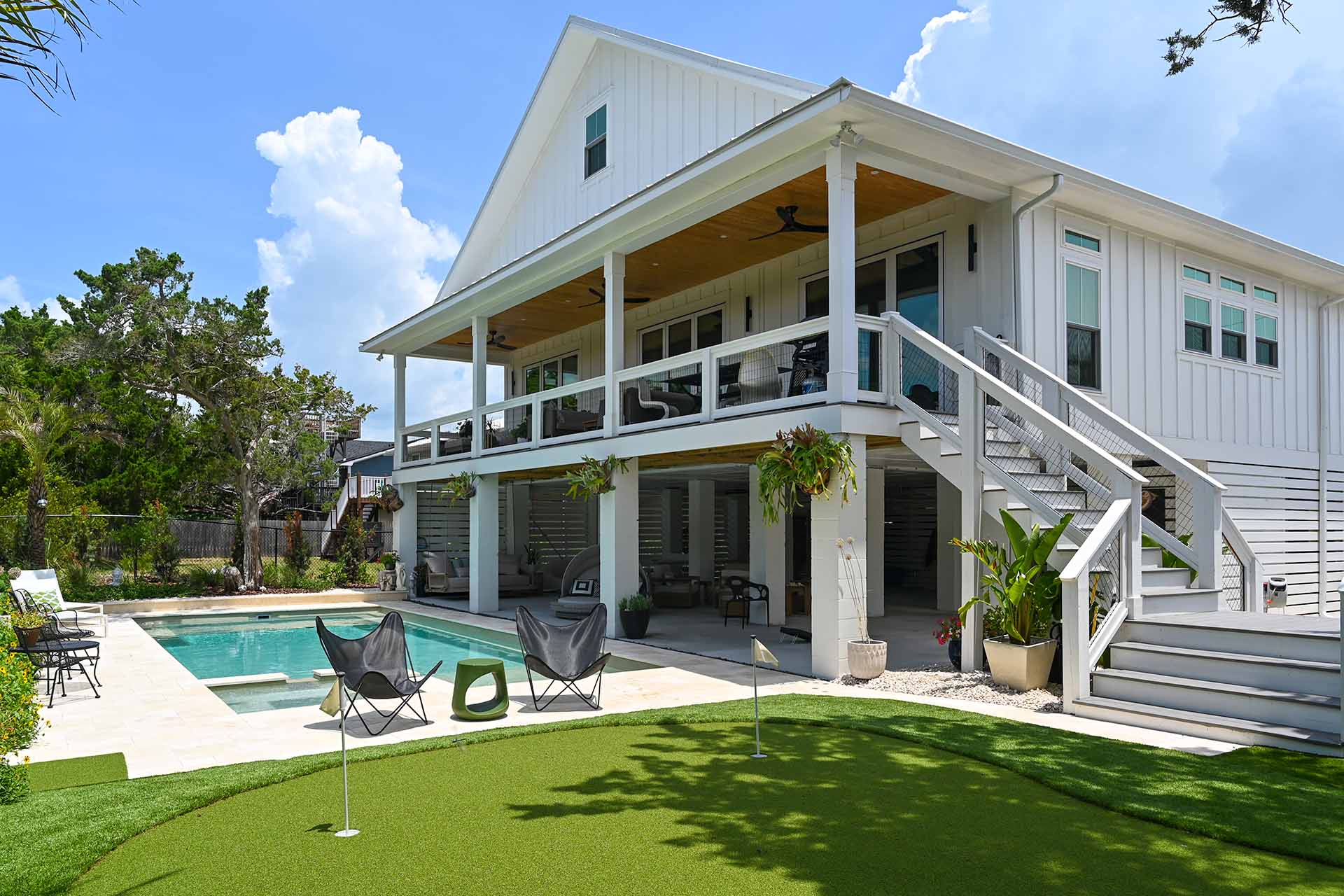
Depending on your location, your home may be set on concrete or CMU block foundations, bond beam systems, or pilings. Elevated foundations can also provide added benefits such as storage or parking space beneath the home.
Your builder will guide you through the best foundation type based on your property, local requirements, and how you plan to use your home.
With modular construction, the most significant cost savings are in construction time, on-site labor costs, and bulk purchasing of building materials. Reduced construction time may reduce the construction loan payment period. However, there are various levels of products and finishes that factor into the cost of building (whether modular or 100% site-built). The easiest way to explain is to think of the cost difference between the brands Toyota and Lexus. Because of our premium materials, finishes, and products, we compare to the Lexus brand.
Yes. Affinity Modular homes are built in a controlled environment, which allows for greater precision, consistency, and protection from weather during construction. The result is a high-quality home designed to perform as beautifully as it looks.
The cost difference between a modular home and a site-built home can vary, but it usually comes down to materials, labor, and time. Site-built homes rely heavily on on-site labor, which can increase costs, especially when weather, subcontractor schedules, or material delays slow construction. Some site builders also choose to adhere to the minimum code requirements, while others use higher-end materials, which affects the final price.
Modular homes, on the other hand, are built in a controlled factory environment. This method often uses more material to provide added strength during transport and assembly, but it significantly reduces on-site labor and weather-related delays. In many cases, this results in a more predictable timeline and overall cost.
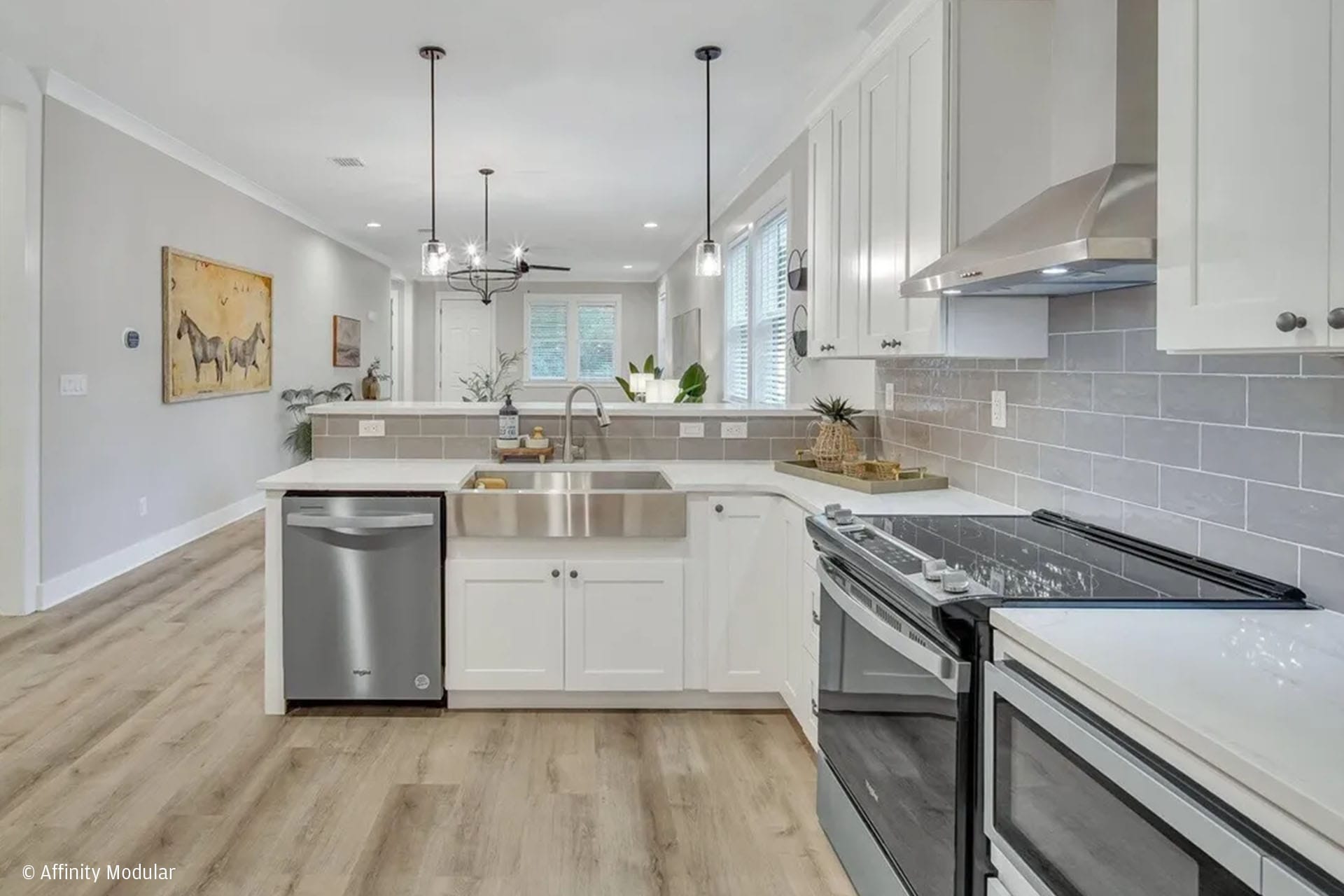
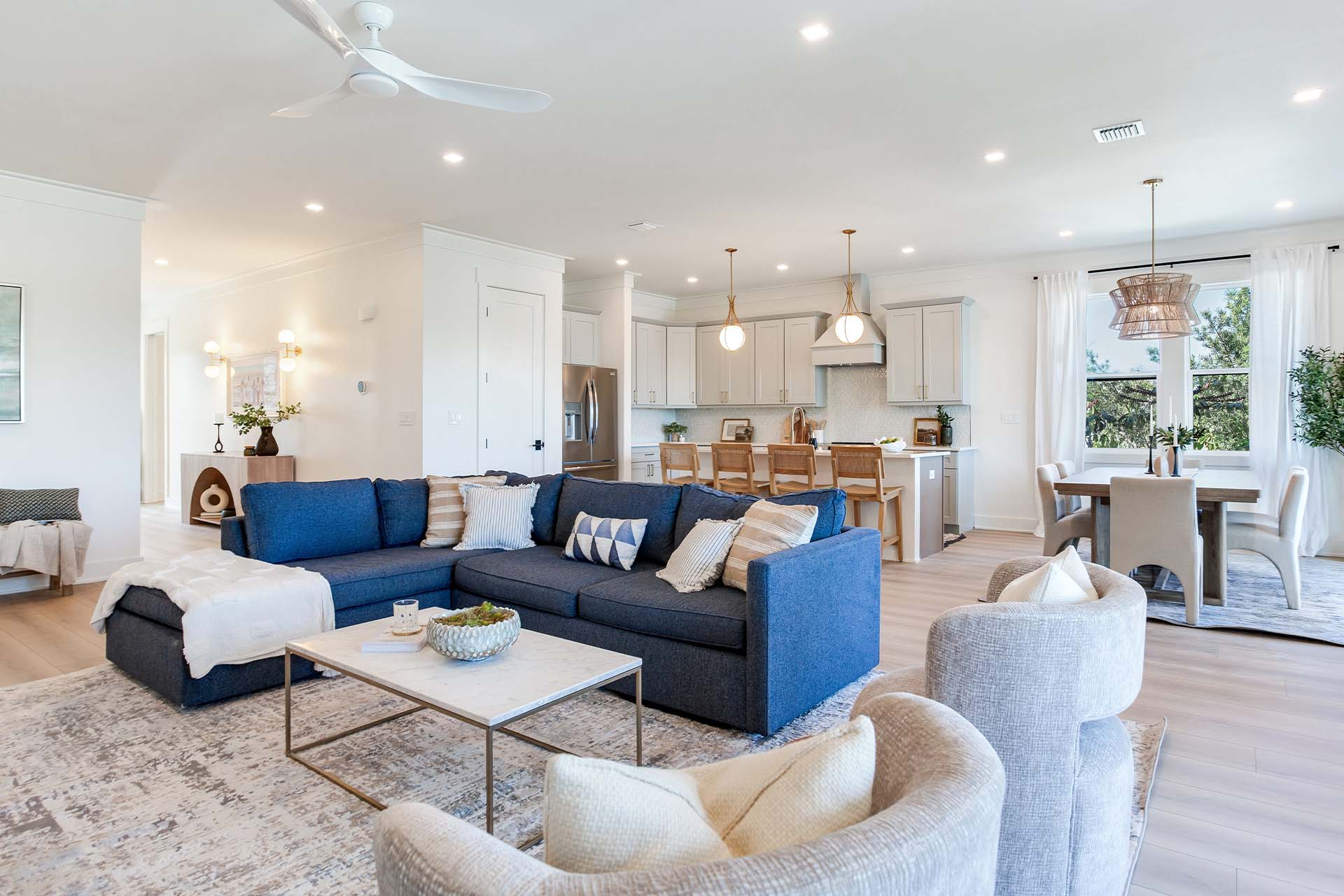
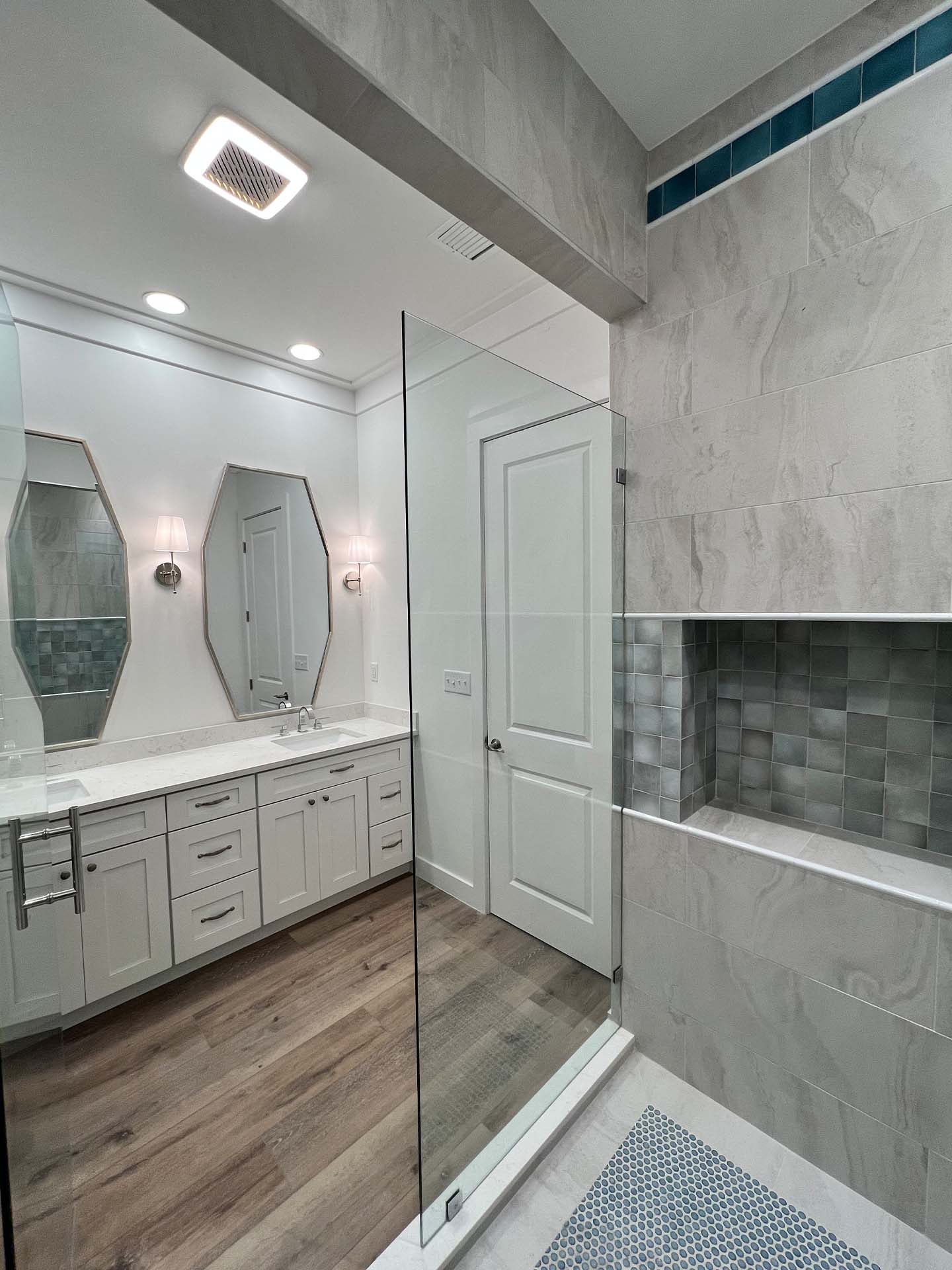
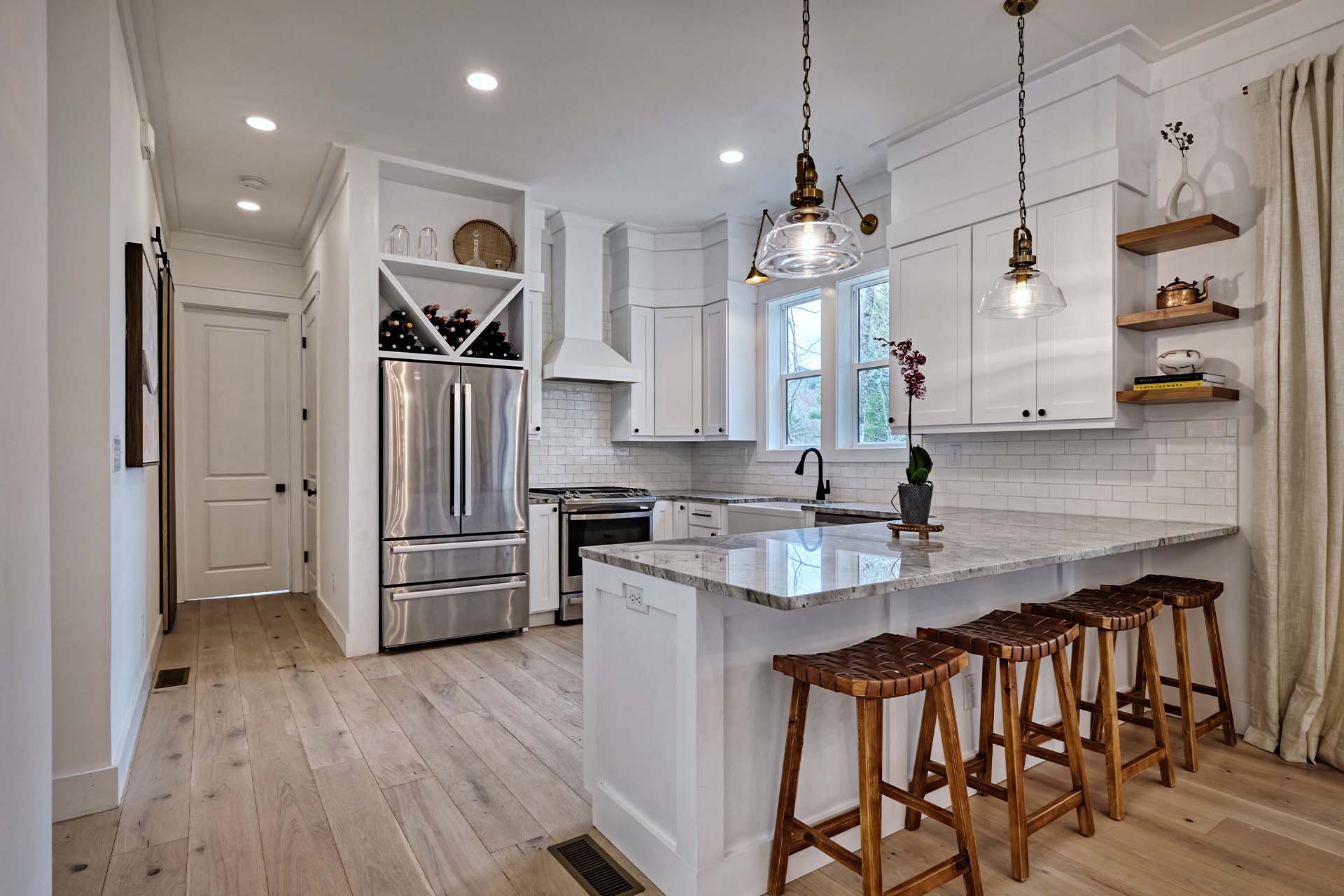
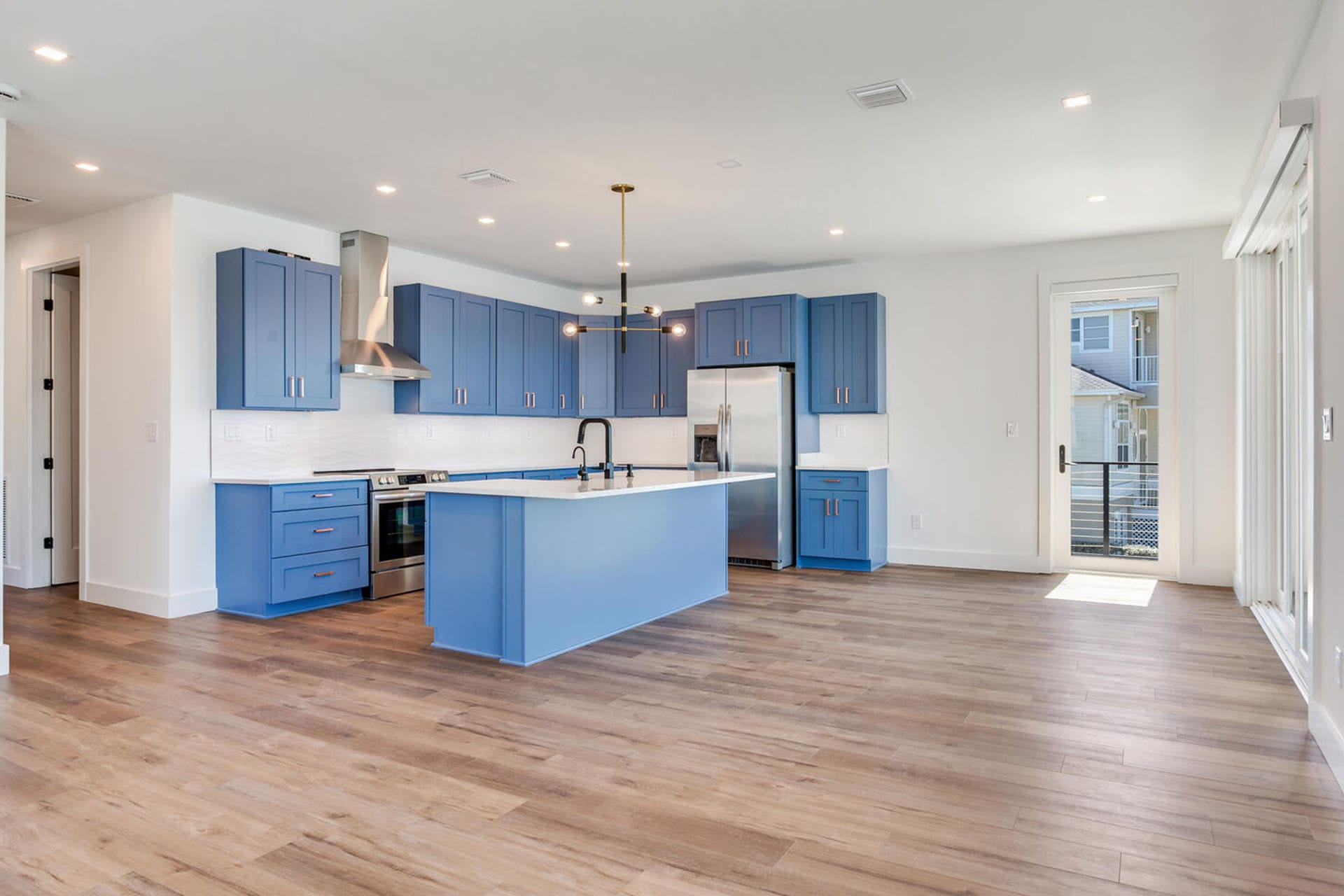
Affinity incorporates premium design features in our homes. Our home gallery showcases the high-quality finishes in our homes.
In many cases, modular homes can be financed similarly to site-built homes because they are built to the same building codes and installed on permanent foundations. Financing options may include construction-to-permanent loans, traditional mortgage products, and other lending solutions depending on your lender and project.
Your builder can often help point you in the right direction based on the type of home you are building and your location.